
.svg)
Skiing This Winter? Here’s How to Prevent Knee Injuries on the Slopes
🎿 Skiing This Winter? Here’s How to Prevent Knee Injuries on the Slopes
Winter in Colorado means one thing — ski season! Whether you’re carving turns at Eldora Mountain for a quick day trip from Boulder or spending the weekend at Copper Mountain, few things compare to that first run down a fresh slope. But with the thrill of skiing comes one of the most common injuries we see at Boulder Sports Clinic — knee pain.
Our chiropractors and physical therapists treat dozens of skiers each winter for knee injuries that could have been prevented with the right prep, warm-up, and recovery plan. Here’s how to protect your knees and enjoy the slopes pain-free this season.
🏔️ Why Knee Injuries Are So Common in Skiing
The knees are your body’s shock absorbers while skiing. They stabilize your turns, absorb bumps, and help you control speed. Over time, the repetitive forces of skiing — especially with fatigue or poor movement control — can overload the joint.
Common ski-related knee injuries include:
- ACL sprains or tears from twisting or catching an edge
- MCL strains from falls or sudden directional changes
- Patellar tendonitis (jumper’s knee) from repetitive strain
- Meniscus tears from deep bends or impact landings
Even if pain starts small, ignoring it can lead to chronic inflammation and instability later in the season.
What a Proper Ski Warm-Up Should Include
A strong warm-up routine is the easiest way to protect your knees before you ski — especially at altitude, where cold muscles are more injury-prone. Spend 10–15 minutes moving dynamically before your first run.
1. Dynamic Stretching
Avoid static stretching before skiing — focus on movement-based stretches to get your muscles firing.
- Leg swings (front-to-back and side-to-side)
- Hip circles
- Bodyweight squats or lunges
- Torso rotations
2. Muscle Activation Drills
Prime the muscles that stabilize your knees and hips.
- Glute bridges – Wake up your glutes to help control knee tracking.
- Mini-band lateral walks – Activate hip stabilizers (glute medius).
- Heel raises – Engage calves for better balance control.
- Plank with alternating leg lift – Fire up the core before carving.
3. Balance Work
Stand on one leg and rotate your torso slowly to simulate ski movement. This helps your stabilizers respond quickly once you hit the slopes.
Pre-Season Strength Training for Skiers
Building lower body strength and control before the ski season starts helps protect your knees from injury and improves endurance.
Here are a few exercises our physical therapy team in Boulder recommends:
- Squats and lunges: Strengthen quads, glutes, and hamstrings for knee stability.
- Romanian deadlifts: Improve hamstring control and hip hinge mechanics.
- Step-downs or lateral step-ups: Build single-leg strength and balance.
- Wall sits with heel raises: Simulate ski posture while strengthening quads and calves.
- Core rotations (Pallof press or Russian twists): Strengthen rotational control for smoother turns.
Doing these exercises 2–3 times per week before ski season improves your stamina, balance, and control — and drastically reduces the risk of injury once the lifts start spinning.
How We Help Skiers Prevent and Recover from Knee Pain
At Boulder Sports Clinic, our team of physical therapists, chiropractors, and massage therapists specializes in helping skiers stay strong and recover quickly.
Shockwave Therapy
For chronic knee pain or tendon issues, shockwave therapy accelerates healing, reduces inflammation, and promotes tissue regeneration — perfect for patellar tendonitis or old ski injuries.
Dry Needling
Dry needling targets deep muscle tension in the quads, calves, and hips that contribute to knee stress, improving mobility and restoring smooth movement patterns.
Physical Therapy & Movement Training
Our sports physical therapists use movement assessments to identify weaknesses or imbalances, then design a custom strength and mobility program for optimal performance and injury prevention.
Keep Your Knees Strong All Winter
Skiing at Eldora Mountain or Copper Mountain should be exhilarating — not painful. Whether you’re dealing with early-season stiffness or recovering from a past injury, our team is here to help.
📍 Boulder Sports Clinic is your local destination for ski injury prevention, physical therapy, dry needling, and shockwave therapy in Boulder, CO.
Book your appointment today and stay strong, mobile, and pain-free on the slopes all season long.
Tags: Eldora Mountain, Copper Mountain, knee pain skiing, ski injury prevention Boulder CO, physical therapy for knee pain, dry needling Boulder, shockwave therapy Boulder, sports injury recovery Boulder, ski injury treatment near Eldora
Related Posts
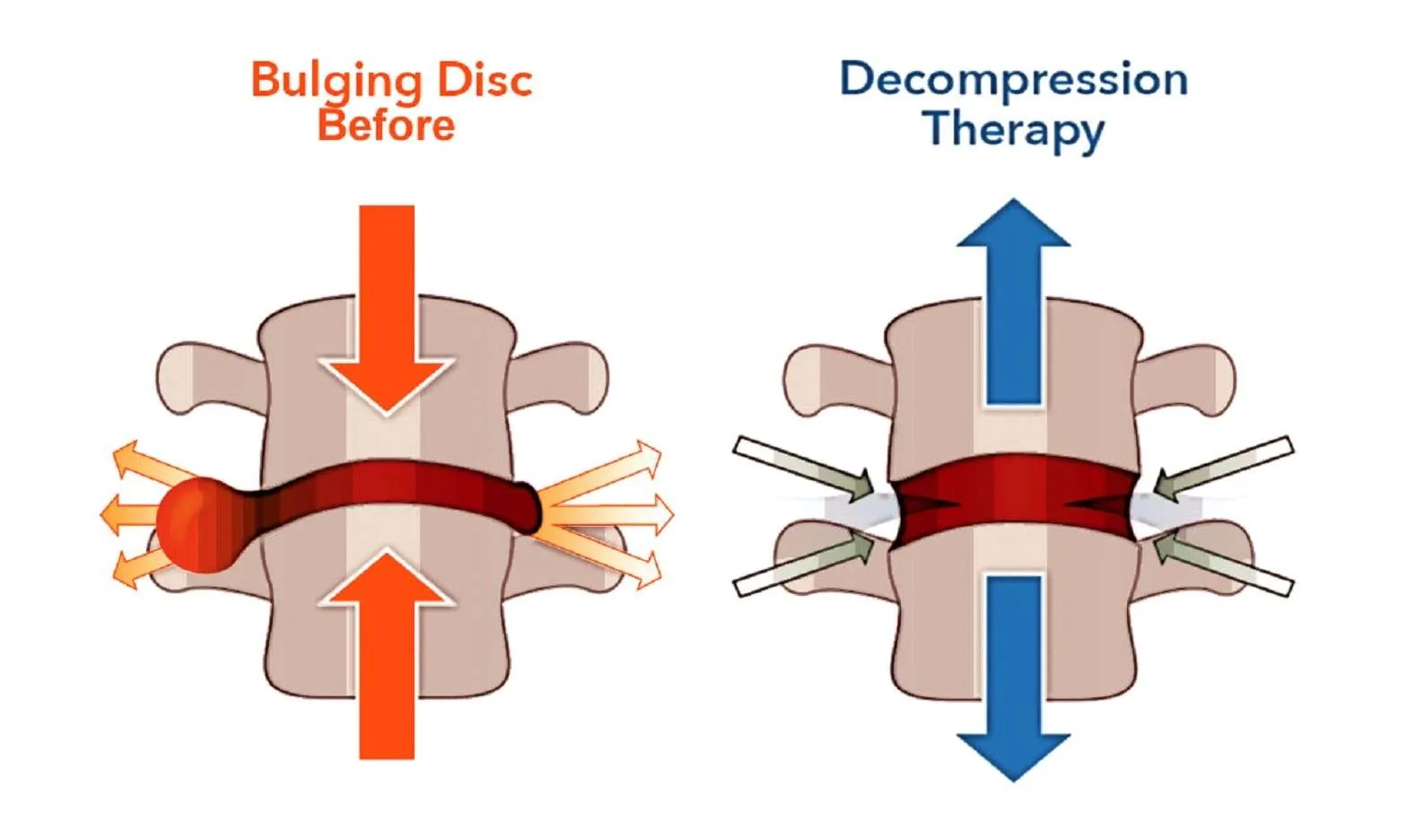
How to Decompress the Spine: At-Home Tips & Professional Care in Boulder, CO
Active Release Techniques (ART) for Neck Pain & Headaches | Boulder Sports Clinic

Is Your Hip Pain Really a Hip Problem? Understanding the Spine-Hip Connection
Experience the difference at Boulder Sports Clinic.
Contact us today to schedule an appointment and start your journey towards optimal health and peak performance. Still have questions? Call us now at (303) 444-5105
