Neck Pain Treatment

Relief for Neck Pain
& Headaches in Boulder, CO

Neck pain and headaches can interfere with daily life, work, sleep, and athletic performance. At Boulder Sports Clinic, we provide comprehensive neck pain treatment designed to identify the underlying cause of discomfort and support long-term recovery.

Our integrated care model combines chiropractic care, physical therapy, massage therapy, and advanced therapies to help relieve neck pain, improve mobility, and restore healthy movement patterns. Whether your symptoms are related to posture, sports injuries, stress, or disc issues, our team develops a personalized treatment plan focused on lasting relief.

learn more
rating-stars
300+ 5 star reviews
Relief for Neck Pain & Headaches Through Tailored Care
We can help you with
following conditionsheadache care
Conditions We Treat

Neck Pain and Headache
Conditions:

Neck pain and headaches can develop from a variety of causes including muscle tension, poor posture, sports injuries, nerve irritation, or spinal disc problems. At Boulder Sports Clinic, our team evaluates the source of your symptoms to determine the most effective treatment plan.

Common symptoms and conditions related to neck pain and headaches may include:

Tension Headaches
show-more-icon
Migraine Headaches
show-more-icon
Cervical Disc Bulge or Herniation
show-more-icon
Cervical Spine Stenosis
show-more-icon
Arthritis in the Neck (Cervical Arthritis)
show-more-icon
Whiplash After a Car Accident
show-more-icon
Neck Muscle Strain
show-more-icon
TMJ (Temporomandibular Joint Dysfunction)
show-more-icon
Our Approach

Integrated Neck Pain Treatment

At Boulder Sports Clinic, we use an integrated approach to treat neck pain and headaches by combining multiple therapies that support recovery, reduce pain, and restore healthy movement.

Initial Consultation and Assessment
Your care begins with a detailed consultation and movement assessment to identify the underlying cause of your neck pain or headaches. This evaluation allows our team to design a personalized treatment plan based on your symptoms, lifestyle, and movement patterns.

Schedule With Us
Chiropractic Care

Chiropractic Care:

Chiropractic adjustments help improve spinal alignment and restore normal joint movement in the neck and upper spine. Manual and low-force adjustment techniques can help reduce pain, relieve nerve irritation, and improve range of motion.
Physical Therapy

Physical Therapy:

Physical therapy focuses on restoring strength, flexibility, and movement control. Personalized rehabilitation exercises help support healing, correct movement imbalances, and reduce the risk of recurring neck pain or headaches.
Massage Therapy

Massage Therapy:

Massage therapy helps relieve muscle tension, release trigger points, and improve circulation. Hands-on treatment can reduce stiffness in the neck and shoulders while supporting relaxation and recovery.
Shockwave Therapy

Shockwave Therapy:

Shockwave therapy is a non-invasive treatment that uses acoustic sound waves to stimulate tissue healing. This therapy may help break down scar tissue, improve circulation, and reduce pain in affected muscles and connective tissues.
Class 4 laser Therapy

Class 4 laser Therapy:

Class IV laser therapy uses infrared light energy to reduce inflammation, decrease pain, and accelerate cellular healing through photobiomodulation. This therapy can help improve recovery for musculoskeletal conditions affecting the neck and surrounding tissues.
Electrical Muscle Stimulation

Electrical Muscle Stimulation:

Electrical muscle stimulation uses targeted electrical impulses to stimulate muscles and reduce stiffness. This therapy may help improve range of motion and support neuromuscular recovery.
PEMF Therapy

PEMF Therapy:

Pulsed Electromagnetic Field (PEMF) therapy uses electromagnetic signals to support cellular repair and reduce inflammation. PEMF therapy may help relieve joint pain and muscle tension associated with neck pain conditions.
Active Release Techniques

Active Release Techniques (ART):

Active Release Techniques are a hands-on soft tissue therapy used to reduce muscle tightness and improve mobility in muscles, ligaments, and nerves. ART helps restore proper movement and reduce tension in affected tissues.
Cupping Therapy

Cupping Therapy:

Cupping therapy uses suction cups to release fascial restrictions and improve circulation. This treatment may help reduce trigger points, relieve muscle tension, and support recovery.
Trigger Point Dry Needling

Trigger Point Dry Needling:

Trigger point dry needling uses thin needles to release tight muscle knots and reduce pain. This technique stimulates the body’s natural healing response and helps improve muscle function.
Graston Technique

Graston Technique:

The Graston Technique is an instrument-assisted soft tissue therapy that helps break down scar tissue and fascial adhesions. This technique can improve mobility, reduce pain, and support recovery of injured tissues.
Kinesio Taping

Kinesio Taping:

Kinesio taping provides support for muscles and joints while allowing full movement. This therapy may help reduce swelling, improve circulation, and support healing without restricting mobility.
Yoga Therapy

Yoga Therapy:

Yoga therapy incorporates guided movement, breathwork, and stretching to improve posture, increase flexibility, and reduce muscle tension. Therapeutic yoga can help support relaxation while improving spinal mobility and movement awareness.
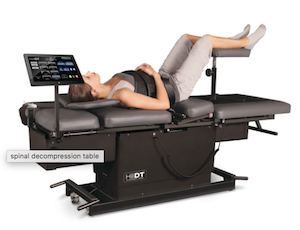
Spinal Decompression Table

Non-Surgical Spinal Decompression Therapy:

Spinal decompression therapy is a gentle, non-surgical treatment that relieves pressure on spinal discs and nerves using a motorized table. This therapy may help relieve symptoms from herniated discs, pinched nerves, and chronic neck pain.
Postural Correction

Postural Correction:

Postural correction exercises help address muscle imbalances caused by poor posture or repetitive strain. Strengthening and stretching programs improve alignment, reduce tension in the neck and shoulders, and help prevent future injuries.
Patient Experience

What Our Patients Say

Lindsey L. Athlete - Colorado

Lindsey L.

Half Marathon Runner - Superior, Colorado

Steve is wonderful! He assessed my low back pain and helped me come up with a plan to get back to 100%. After two sessions with him and doing the exercises/stretches he prescribed for three weeks, I am back to zero pain and back to running again.

I will definitely keep Boulder Sports Chiropractic in my back pocket for maintenance and when other issues arise. They also offer PT and Massage Therapy and the office has a clean, bright yet relaxing ambience.
quotes-icon
Start Your Recovery

Find Relief from Neck Pain and Headaches.

You do not have to continue living with neck pain or recurring headaches. Early treatment can help reduce pain, restore mobility, and support long-term recovery.Contact Boulder Sports Clinic today to schedule your consultation and learn more about treatment options for neck pain and headaches.

Call us today at (303) 444-5105 or schedule your appointment below.

Neck Pain and Headaches CTA

Frequently Asked Questions

What are the most common causes of neck pain?

faqs-icon
Neck pain can be caused by muscle strain, poor posture, spinal disc issues, nerve irritation, arthritis, or injuries such as whiplash. Long hours sitting at a desk or looking at screens can also place strain on the cervical spine. A proper evaluation helps determine the underlying cause and the most effective treatment.

What is a cervicogenic headache?

faqs-icon
A cervicogenic headache is a headache caused by dysfunction in the neck, particularly the cervical spine joints, discs, or surrounding muscles. Pain often begins in the neck and spreads toward the head, forehead, or behind the eyes.

Can chiropractic care help with neck pain?

faqs-icon
Chiropractic care can help relieve neck pain by improving spinal alignment and restoring normal joint movement in the cervical spine. Adjustments and mobility techniques may reduce nerve irritation, improve range of motion, and decrease muscle tension.

What is a pinched nerve in the neck?

faqs-icon
A pinched nerve occurs when surrounding structures such as discs, joints, or muscles place pressure on a nerve root in the cervical spine. This can cause symptoms including neck pain, numbness, tingling, or pain that radiates into the shoulders or arms.

Can poor posture cause neck pain?

faqs-icon
Yes. Poor posture, especially forward head posture from prolonged computer or phone use, can place excessive strain on the neck muscles and cervical spine. Over time this can lead to stiffness, muscle tension, and recurring headaches.

How long does neck pain usually last?

faqs-icon
The duration of neck pain depends on the cause and severity of the condition. Minor muscle strains may improve within a few days, while issues involving discs, nerves, or joint dysfunction may require longer treatment and rehabilitation.

Can neck problems cause headaches?

faqs-icon
Yes. Neck problems can cause headaches known as cervicogenic headaches, which originate from the cervical spine and surrounding muscles. Tight muscles, joint dysfunction, or nerve irritation in the neck can trigger pain that radiates into the head or temples.

How do I know if my neck pain is serious?

faqs-icon
Most neck pain is related to muscle tension or joint irritation, but symptoms such as numbness, tingling, weakness in the arms, or severe pain may indicate nerve involvement. If neck pain persists, worsens, or spreads to other areas, a professional evaluation is recommended.

Can physical therapy help neck pain?

faqs-icon
Yes. Physical therapy focuses on strengthening muscles, improving posture, and restoring healthy movement patterns. Rehabilitation exercises can help reduce pain, improve flexibility, and prevent future neck injuries.

What is whiplash and how is it treated?

faqs-icon
Whiplash is a neck injury caused by a sudden forward and backward movement of the head, often during a car accident. This motion can strain muscles, ligaments, and joints in the neck. Treatment typically focuses on reducing inflammation, restoring mobility, and rebuilding strength.

What helps relieve neck stiffness?

faqs-icon
Neck stiffness may improve with treatments that restore mobility and reduce muscle tension. Stretching, mobility exercises, manual therapy, and posture correction are commonly used to help relieve stiffness and improve movement.

When should I seek treatment for neck pain?

faqs-icon
You should consider seeking treatment if neck pain persists for more than a few days, interferes with daily activities, or causes symptoms such as headaches, numbness, or weakness. Early treatment can help prevent symptoms from becoming chronic.