Boulder Sports Clinic

Lower Back
Pain Treatment

Lower back pain is one of the most common musculoskeletal conditions affecting adults. It can develop from muscle strain, disc injuries, nerve irritation, or movement imbalances that place stress on the lumbar spine.

Whether your pain began suddenly during exercise or gradually from repetitive daily movement, lower back pain can interfere with work, sleep, and physical activity. At Boulder Sports Clinic, we specialize in identifying the underlying cause of lower back pain and developing personalized treatment plans designed to reduce pain, restore mobility, and prevent future injury.

Our integrated care approach combines chiropractic care, physical therapy, massage therapy, and advanced therapies to support recovery and long-term movement health.

learn more
rating-stars
300+ 5 star reviews
Lower Back
Pain Treatment
Lower Back
Pain care
Lower back pain

Symptoms and Conditions We Treat

Lower back pain can stem from various causes. Identifying the specific cause is essential for effective treatment and recovery. Here are some of the most common conditions we address:

Lumbar Disc Herniation (Herniated Disc)
show-more-icon
Lumbar Disc Bulge
show-more-icon
Sciatica
show-more-icon
Lumbar Muscle Strain
show-more-icon
Lumbar Spinal Stenosis
show-more-icon
Lower Crossed Syndrome
show-more-icon
Lumbar Facet Syndrome
show-more-icon
Lumbar Spondylolisthesis
show-more-icon
Pregnancy-Related Lower Back Pain
show-more-icon
Lumbar Spine Arthritis (Degenerative Joint Disease)
show-more-icon
Our Approach

Integrated Treatment for Lower Back Pain

At Boulder Sports Clinic, we use an integrated treatment approach designed to reduce pain, restore mobility, and address the underlying cause of lower back conditions.

Initial Consultation and Assessment
Your care begins with a detailed consultation and movement evaluation to identify the source of your lower back pain. This assessment helps determine whether your symptoms are related to muscle strain, joint dysfunction, disc irritation, or nerve compression.

Schedule Consultation
Chiropractic Care

Chiropractic Care:

Chiropractic care helps restore normal movement in the lumbar spine and surrounding joints. Adjustments and mobilization techniques may help reduce nerve irritation, improve alignment, and restore proper spinal motion.
Physical Therapy

Physical Therapy:

Physical therapy focuses on strengthening the muscles that support the spine while improving flexibility and movement control. Rehabilitation exercises help stabilize the lower back and reduce the risk of recurring injuries.
Massage Therapy

Massage Therapy:

Massage therapy helps relieve muscle tension in the lower back, hips, and surrounding areas. Hands-on therapy improves circulation, reduces inflammation, and supports muscle relaxation.
Shockwave Therapy

Shockwave Therapy:

Shockwave therapy uses acoustic sound waves to stimulate tissue healing and improve blood flow. This treatment may help reduce chronic pain and accelerate recovery of injured soft tissues.
Class 4 laser Therapy

Class IV Laser Therapy:

Class IV laser therapy uses infrared light energy to reduce inflammation and stimulate cellular healing. This therapy helps accelerate tissue repair while relieving lower back pain.
Electrical Muscle Stimulation

Electrical Muscle Stimulation:

Electrical muscle stimulation uses targeted impulses to activate muscles and reduce stiffness. This therapy may help improve muscle function and support recovery.
PEMF Therapy

PEMF Therapy:

Pulsed Electromagnetic Field (PEMF) therapy uses electromagnetic signals to promote cellular repair and reduce inflammation. This therapy may help relieve joint pain and support tissue healing.
Active Release Techniques

Active Release Techniques (ART):

Active Release Techniques are hands-on treatments designed to release tight muscles and restore normal soft tissue movement. This therapy may help reduce muscle tension contributing to lower back pain.
Cupping Therapy

Cupping Therapy:

Cupping therapy uses suction cups to release fascial restrictions and improve blood circulation. This treatment may help reduce muscle tension and support recovery.
Trigger Point Dry Needling

Trigger Point Dry Needling:

Trigger point dry needling uses thin needles to release tight muscle knots and stimulate natural healing. This therapy may help relieve muscular pain and improve movement.
Graston Technique

Graston Technique:

The Graston Technique is an instrument-assisted therapy used to break down scar tissue and improve soft tissue mobility. This treatment helps restore normal movement and reduce pain.
Kinesio Taping

Kinesio Taping:

Kinesio taping provides supportive stabilization for muscles and joints while allowing full range of motion. This therapy may help improve circulation and support healing.
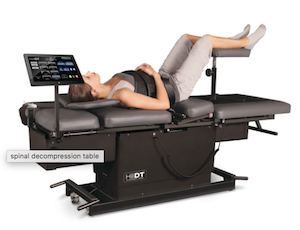
Spinal Decompression Table

Non-Surgical Spinal Decompression Therapy:

Spinal decompression therapy is a gentle, non-surgical treatment that relieves pressure on spinal discs and nerves using a motorized table. This therapy may help relieve symptoms associated with herniated discs, sciatica, disc degeneration, and chronic lower back pain.
Yoga Therapy

Yoga Therapy:

Yoga therapy incorporates targeted movement, stretching, and breathwork to improve flexibility and reduce muscular tension. These exercises may help restore balance within the nervous system while improving mobility.
Postural Correction

Postural Correction:

Postural correction exercises address movement imbalances that contribute to lower back pain. Strengthening and mobility exercises help improve alignment and reduce stress on the spine.
Patient Testimonials

What Our Patients Say

Paul S. Crossfit athlete - Superior, Colorado

Paul S.

Crossfit athlete - Superior, Colorado

Outstanding, hands-on Chiropractic care including massage and physical therapy. I came in with a lower back-related injury that occurred during weight lifting. Over a series of sessions, Dr. Alyx successfully treated my injury, gave me specific exercises which she demonstrated (and then watched me do the exercises), and also worked with me on my lifting technique in their on-site gym to ensure I did not re-injure myself. Highly knowledgeable and very communicative. I could not be happier with the care and results and highly recommend Boulder Sports Clinic for not just athletes but anyone looking for outstanding, hands-on, integrated Chiropractic care.
quotes-icon
Start Your Recovery

Lower Back Pain Treatment
with Boulder Sports Clinic

Lower back pain can limit your ability to move comfortably, work, or enjoy daily activities. Early treatment can help relieve pain, restore mobility, and prevent symptoms from becoming chronic.

Contact Boulder Sports Clinic today to schedule an evaluation and learn more about your treatment options.

Lower Back Pain CTA

Frequently Asked Questions

What are the most common causes of lower back pain?

faqs-icon
Lower back pain can be caused by muscle strains, disc injuries, joint dysfunction, or nerve compression in the lumbar spine. Common conditions include herniated discs, sciatica, lumbar strains, spinal stenosis, and arthritis of the spine. A proper evaluation helps determine the exact cause and the most effective treatment.

What is sciatica and how does it affect the lower back?

faqs-icon
Sciatica occurs when the sciatic nerve becomes irritated or compressed in the lower spine. This condition typically causes pain that radiates from the lower back down the leg and may include burning, tingling, or numbness sensations.

What is a lumbar strain?

faqs-icon
A lumbar strain occurs when the muscles or tendons supporting the lower back become overstretched or torn. This injury is often caused by lifting, twisting movements, or sudden physical activity. Symptoms typically include stiffness, muscle spasms, and localized pain in the lower back.

What is spinal stenosis in the lower back?

faqs-icon
Lumbar spinal stenosis occurs when the spinal canal narrows and places pressure on the spinal cord or nearby nerves. This condition may cause lower back pain, leg pain, numbness, or weakness that worsens during walking or standing.

Can physical therapy help lower back pain?

faqs-icon
Yes. Physical therapy focuses on strengthening the muscles that support the spine while improving flexibility and movement patterns. These exercises help stabilize the lower back and reduce the risk of recurring injury.

Can lower back pain be prevented?

faqs-icon
Many cases of lower back pain can be prevented through regular exercise, proper lifting techniques, and maintaining good posture. Strengthening the core and supporting muscles can also help protect the lumbar spine.

What does a herniated disc in the lower back feel like?

faqs-icon
A herniated disc can cause localized lower back pain or pain that radiates into the hip, buttock, or leg. Some individuals also experience numbness, tingling, or weakness due to nerve compression. Symptoms often worsen with bending, lifting, or prolonged sitting.

How do I know if my lower back pain is serious?

faqs-icon
Lower back pain may require medical evaluation if it lasts longer than a few days, worsens over time, or causes numbness, weakness, or pain radiating into the legs. Difficulty standing, walking, or performing daily activities may also indicate a more serious condition.

Can poor posture cause lower back pain?

faqs-icon
Yes. Poor posture, especially prolonged sitting or slouching, can place excessive stress on the lumbar spine and surrounding muscles. Over time this may lead to muscle imbalances, spinal strain, and chronic lower back discomfort.

Can chiropractic care help lower back pain?

faqs-icon
Chiropractic care can help improve spinal mobility and reduce pressure on irritated nerves. Spinal adjustments and mobilization techniques may help restore proper alignment and reduce pain in the lower back.

How long does lower back pain usually last?

faqs-icon
Recovery time depends on the cause and severity of the injury. Mild muscle strains may improve within a few weeks, while conditions involving discs or nerves may require longer treatment and rehabilitation.

When should I seek treatment for lower back pain?

faqs-icon
You should seek treatment if lower back pain persists, interferes with daily activities, or causes symptoms such as numbness, tingling, or weakness in the legs. Early treatment can help prevent chronic pain and support faster recovery.