
.svg)
Understanding Hip Pain: Causes, Diagnosis, and Treatment
Hip pain is a common issue affecting people of all ages. In fact, studies show that up to one in seven older adults experience significant hip pain on most days. Regardless of age, hip pain can interfere with everyday activities like walking, standing, and even sleeping, reducing quality of life. Fortunately, accurate diagnosis and targeted treatment can help alleviate pain and restore mobility.
Hip Pain Isn’t Always What It Seems
Hip pain can come from a variety of sources—including the hip joint itself, the lower back, surrounding muscles, or even movement patterns.
That’s why generic advice like stretching or resting doesn’t always work.
The most important step is identifying the true source of your pain.
Book a hip pain evaluation in Boulder to get a clear diagnosis

Common Causes of Hip Pain
Hip pain can stem from several underlying conditions, including:
- Hip Abductor Weakness – Weak gluteal muscles can lead to instability, increased strain on the hip joint, and pain over time.
- Piriformis Syndrome – Tightness or irritation of the piriformis muscle can compress the sciatic nerve, causing pain in the hip and down the leg.
- Gluteal Tendinopathy / Greater Trochanteric Pain Syndrome (GTPS) – Overuse or strain of the tendons surrounding the hip can result in chronic lateral hip pain.
- Osteoarthritis – Wear and tear of the hip joint cartilage can lead to stiffness, discomfort, and reduced range of motion.
- Labral Tears – Damage to the cartilage ring surrounding the hip socket can cause deep pain and clicking sensations.
- Femoroacetabular Impingement (FAI) – Abnormal bone growth can lead to joint irritation and pain, particularly in young adults.

A Common Pattern We See
Many patients come in thinking they have a simple hip issue, but after evaluation we often find:
- Limited mobility in the lower back
- Weakness in the glutes or core
- Compensation patterns during movement
Once those factors are addressed, hip pain often improves more quickly—and stays away longer.
This is why diagnosis matters more than guessing.
How We Diagnose Hip Pain
Proper diagnosis is key to developing an effective treatment plan. At Boulder Sports Chiropractic, we take a comprehensive approach to understanding the root cause of your hip pain. Our diagnostic process includes:
1. Patient History
We start by asking detailed questions about your symptoms, including:
- When did the pain start?
- Was it triggered by an injury or did it develop gradually?
- Where exactly do you feel the pain?
- Is the pain worse in the morning or after activity?
- Do you have any history of arthritis, osteoporosis, or other health conditions?
2. Physical Examination
A hands-on exam helps us assess movement patterns and pinpoint the source of discomfort. We evaluate:
- Range of Motion – Testing hip flexibility and movement restrictions.
- Muscle Strength – Checking for weakness in key hip stabilizing muscles.
- Joint Stability – Assessing for signs of instability or excessive motion.
- Gait Analysis – Watching how you walk to identify imbalances or compensations.
3. Lumbosacral Assessment
Surprisingly, about 71% of hip issues originate from the lower back. We assess the spine to rule out referred pain from the lumbar region.
How We Treat Hip Pain
At Boulder Sports Chiropractic, we use a combination of advanced therapies to relieve pain, improve mobility, and prevent future injuries. Our treatment options include:
1. Chiropractic Adjustments
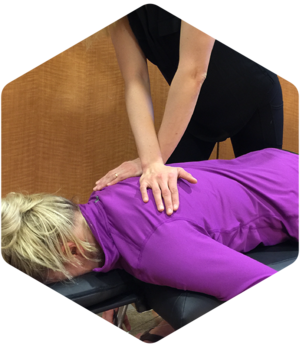
Gentle spinal and hip joint adjustments help improve mobility, reduce stiffness, and correct misalignments that may contribute to pain.
2. Active Release Techniques (ART) & Myofascial Release
Manual therapy techniques target tight muscles and adhesions, improving flexibility and reducing tension around the hip.
3. Dry Needling
Dry needling helps relieve muscle tightness, reduce inflammation, and promote healing in irritated tissues.
4. Shockwave Therapy
This non-invasive treatment stimulates tissue repair and reduces chronic pain associated with conditions like gluteal tendinopathy.
5. Class IV Laser Therapy
Laser therapy promotes circulation, accelerates healing, and reduces inflammation in soft tissues surrounding the hip.
6. Physical Therapy and Rehabilitation Exercises
Strengthening weak hip muscles and improving mobility through guided exercises is essential for long-term relief. We incorporate:
- Gluteal Strengthening – Side-lying hip raises, banded walks, and bridges.
- Hip Mobility Drills – Controlled leg swings and deep hip stretches.
- Core Stability Work – Planks and controlled lower-body movements to enhance support for the hip.
7. Posture & Movement Training
We analyze your movement patterns and provide guidance on proper walking, running, and sitting postures to reduce strain on the hip.
Still Dealing With Hip Pain That Won’t Go Away?
If you’ve been:
- Stretching regularly
- Foam rolling
- Resting or modifying activity
But your pain keeps returning…
There’s likely a deeper issue that hasn’t been identified.
Schedule an evaluation to get a clear answer and plan
Why Hip Pain Keeps Coming Back
Many people experience recurring hip pain because the underlying cause hasn’t been addressed.
Common reasons include:
- Treating the symptom instead of the source
- Missing contributions from the spine or SI joint
- Lack of strength or stability in the surrounding muscles
- Movement patterns that continue to overload the area
Without addressing these factors, pain often returns—even after temporary relief.
Hip Pain Treatment in Boulder, Colorado
If you're dealing with hip pain in Boulder, Longmont, Louisville, or Lafayette, getting the right diagnosis is the key to recovery.
At Boulder Sports Clinic, we work with:
- Runners dealing with hip or IT band pain
- Lifters with hip impingement or mobility restrictions
- Desk workers with stiffness from prolonged sitting
- Active adults with pain during walking, hiking, or exercise
Our approach focuses on identifying the root cause through:
- Movement assessment
- Strength and mobility testing
- Spine, pelvis, and hip evaluation
From there, we build a treatment plan designed to reduce pain and prevent it from coming back.
When to Seek Professional Care
If you’re experiencing persistent hip pain that interferes with daily activities, it’s time to seek professional care. At Boulder Sports Chiropractic, we specialize in diagnosing and treating hip pain using evidence-based techniques tailored to your specific needs.
Don't let hip pain hold you back—schedule an appointment today and take the first step toward lasting relief!
Related Posts
Boulder Chiropractors & Physical Therapists with Sports Medicine Training: Why Certification Matters

How to Fix Gluteal Tendinopathy in Runners

5 Stretches for Plantar Fasciitis Relief
Experience the difference at Boulder Sports Clinic.
Contact us today to schedule an appointment and start your journey towards optimal health and peak performance. Still have questions? Call us now at (303) 444-5105
