PRENATAL CARE & WELLNESS

Pregnancy Chiropractor
in Boulder, CO

Gentle, Webster-Certified Chiropractic Adjustments for a Comfortable, Balanced Pregnancy

As your body changes throughout pregnancy, postural shifts, hormonal ligament relaxation, and anterior pelvic tilt place increased stress on your spine and pelvis.

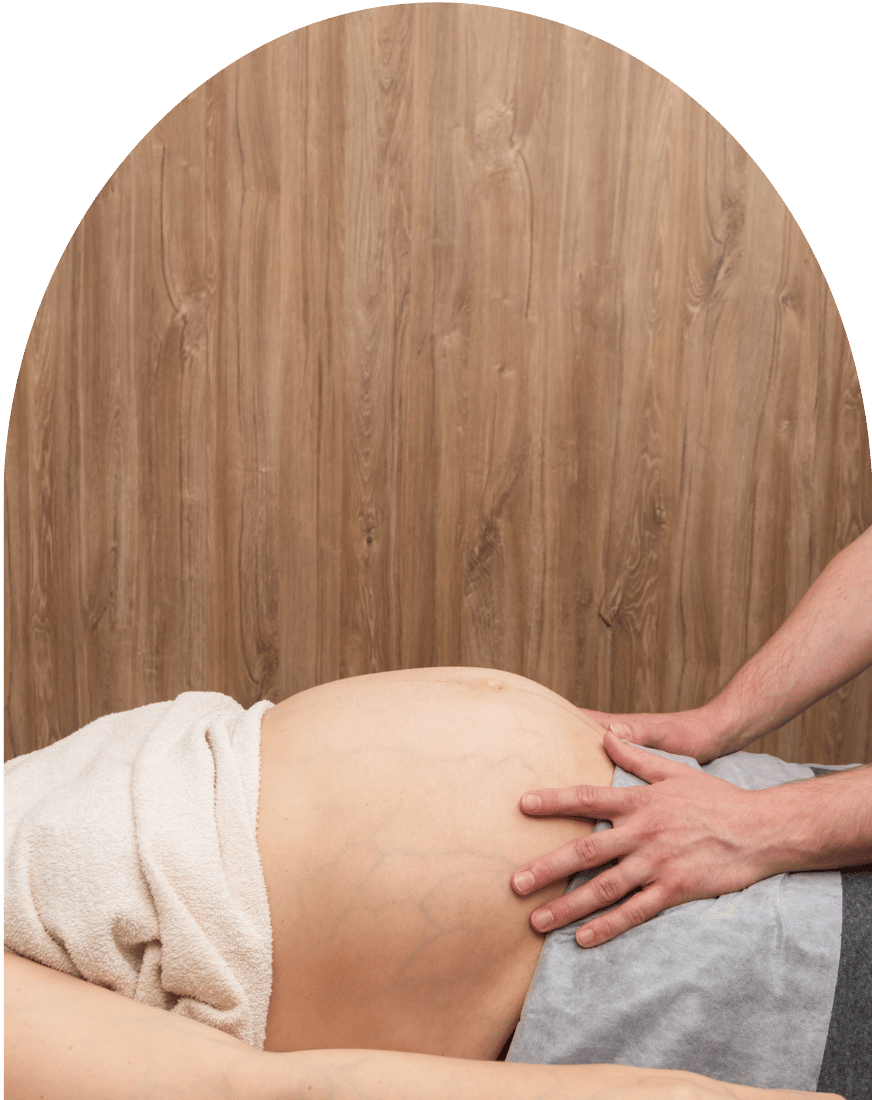
At Boulder Sports Clinic, our certified prenatal chiropractors utilize gentle, low-force adjustments and the Webster Technique to relieve pain, balance the pelvis, and support your changing body from the first trimester through postpartum recovery.

Book a Prenatal Appointment
rating-stars
300+ 5 star reviews
shockwave therapy boulder
SPECIALIZED PRENATAL CARE

What is the Webster Technique?

The Webster Technique is a specific chiropractic sacral analysis and diversified adjustment protocol developed specifically for pregnant women. As pregnancy progresses, the hormone relaxin softens ligaments, while the growing baby shifts your center of gravity forward. This frequently results in sacral subluxation, sacroiliac (SI) joint misalignment, and tension in the round ligaments supporting the uterus.
‍
Certified through the International Chiropractic Pediatric Association (ICPA), our providers use the Webster Technique to gently align the sacrum and reduce torsion on surrounding pelvic muscles and ligaments. By restoring biomechanical symmetry to the pelvis, the Webster Technique relieves lower back tension, eases pelvic girdle discomfort, and optimizes intrauterine space for baby's natural positioning as labor approaches.
book your appointment
HOW WE HELP

Pregnancy Discomforts We Relieve

list-icon
Pelvic Girdle & Pubic Bone Pain (Symphysis Pubis Dysfunction - SPD): Gentle pelvic stabilization to ease sharp, stabbing pain in the pubic joint when walking, climbing stairs, or rolling over in bed.
list-icon
Sacroiliac (SI) Joint Dysfunction: Targeted alignment of the posterior pelvis to relieve acute, one-sided lower back and buttock pain common in the second and third trimesters.
list-icon
Sciatica & Radiating Gluteal Pain: Easing pressure off the sciatic nerve caused by piriformis muscle spasms and shifting pelvic posture.
list-icon
Round Ligament Tension: Gentle myofascial release of the anterior ligaments supporting the uterus to alleviate sudden, sharp groin and lower abdominal pulls.
list-icon
Upper Back, Neck & Rib Tension: Rebalancing the thoracic spine to relieve tension caused by breast changes and postural compensation.
list-icon
Postpartum Alignment & Recovery: Realigning the pelvis, hips, and spine following labor to support core recovery, pelvic floor rehabilitation, and nursing posture.
Schedule Your Prenatal Evaluation
EPAT therapy
SAFE & GENTLE CARE

Safe, Customized Chiropractic for Every Trimester

Prenatal chiropractic care is completely non-invasive, drug-free, and safe for both mother and baby. We adjust our treatment techniques to match each stage of your pregnancy:

‍Specialized Pregnancy Pillows & Drop Tables: Our clinical tables feature pregnancy pillows and abdominal drop-away sections that allow you to lie safely and comfortably face down without putting pressure on your belly.

‍Low-Force Techniques: We avoid aggressive twisting or torque. Prenatal adjustments utilize gentle, sustained contact, light drop-piece assistance, and soft-tissue release.

‍Collaborative Care: We work in harmony with your OB-GYN, midwife, and birth team to support your birth plan and overall wellness.

Contact Our Clinical Team

Quick Answer: What Is Shockwave Therapy and Does It Work?

Yes. Shockwave therapy is a non-invasive treatment that uses acoustic sound waves to stimulate healing in injured tissue. It works by increasing blood flow, breaking down unhealthy scar tissue, and triggering the body’s natural repair process. Research supports its use for bone healing, chronic tendon, and soft-tissue conditions when standard care hasn’t worked.
‍

What Is Shockwave Therapy?

Shockwave therapy (also known as EPAT or ESWT) delivers high-energy sound waves into injured tissue using a handheld device.
This can help:
  • Increase circulation to damaged tissue
  • Stimulate collagen production
  • Break down chronic scar tissue and calcifications
  • Reduce pain signaling
Unlike treatments that only mask symptoms, shockwave therapy helps restart stalled healing.This service is part of our broader, conservative approach to non-surgical pain treatment in Boulder [insert link].
‍

What Conditions Does Shockwave Therapy Treat?


Shockwave therapy is most effective for chronic, tendon-based conditions, including:

  • Shoulder tendon pain (rotator cuff, calcific tendonitis)
  • Knee tendon pain (patellar or quadriceps tendinopathy)
  • Plantar fasciitis and chronic heel pain
  • Facet joint irritation
  • Achilles tendinopathy
  • Tennis elbow / golfer’s elbow
  • Hip and glute tendon pain
You can explore condition-specific pages like shoulder pain treatment in Boulder, knee pain treatment in Boulder, or plantar fasciitis treatment in Boulder for more detail.
‍

Conditions Spinal Decompression Therapy Can Help

Shoulder tendon pain (rotator cuff, calcific tendonitis)

Pain felt in the shoulder. Typically increasing with stretching or using it.

Knee tendon pain (patellar or quadriceps tendinopathy)

Pain felt at the front of the knee. Often increasing with jumping or running.

Plantar fasciitis and chronic heel pain

Pain felt on the bottom of the foot.

Achilles tendinopathy

Pain at the back of the heel

Tennis elbow / golfer’s elbow

Pain on the inside or outside of the elbow

Hip and glute tendon pain

Pain in the back of the hip.
‍

How Shockwave Therapy Works to Relieve Pain

Shockwave therapy targets poor-quality, chronically injured tissue that hasn’t healed properly.
Treatment helps by:
  • Improving tissue quality
  • Increasing load tolerance
  • Reducing pain sensitivity
  • Supporting long-term recovery
For best results, shockwave therapy is often combined with physical therapy or chiropractic care to address movement, strength, and biomechanics.

What Makes Our Shockwave Therapy Different?

At Boulder Sports Clinic, shockwave therapy is often enhanced with the addition of other therapies.

At Boulder Sports Clinic, we:
  • Confirm you’re a good candidate before starting
  • Create a treatment plan coordinating with other services if appropriate
  • Combine shockwave therapy with active rehabilitation
  • Treat runners, climbers, skiers, lifters, and active adults
  • Focus on long-term outcomes, not short-term pain suppression
This integrated approach separates our approach from clinics that offer shockwave as a one-off treatment and helps patients recover more fully and confidently.
‍

What to Expect During Shockwave Therapy

  • Sessions typically last 5–10 minutes per area
  • Treatment is non-invasive and performed in-office
  • Discomfort during treatment is common but temporary
  • Normal daily activity usually resumes immediately
  • A personalized treatment plan
Most conditions respond well to 6-8 sessions, spaced about one week apart.
‍

How Long Does It Take to See Results?

Most patients notice improvement after the first or second session, with continued improvement over several weeks as tissue healing progresses. Chronic conditions often respond best when shockwave therapy is paired with progressive strengthening.
‍

Who We Help

We commonly help people who:
  • Have pain lasting longer than 3 months
  • Were told they have tendinitis or tendon degeneration
  • Didn’t improve with rest, injections, or basic therapy
  • Want to avoid surgery or injections if possible
  • Are active and want durable recovery
If this sounds like you, shockwave therapy may be an excellent next step.
‍

Frequently Asked Questions About Shockwave Therapy

How many shockwave sessions will I need?

Most patients require 6-8 sessions, depending on the condition and chronicity.

Is shockwave therapy safe?

Yes. Shockwave therapy is FDA-cleared and considered safe when delivered by trained providers.

Does shockwave therapy actually work?

Yes. Shockwave therapy is supported by research for many chronic tendon conditions and is commonly used when healing has stalled.

Is shockwave therapy better than injections?

In many cases, yes. Shockwave therapy promotes tissue healing rather than temporarily masking pain.

Is shockwave therapy painful?

Most patients describe it as uncomfortable but tolerable. Discomfort decreases as tissue health improves.
WE CAN HELP

Feel Supported Throughout Your
Pregnancy Journey

You don't have to accept aches, sleepless nights, or pelvic pain as an inevitable part of pregnancy. Experience the relief of gentle, specialized prenatal chiropractic care in Boulder.

Lower Back Pain CTA

Frequently Asked Questions About Prenatal Chiropractic

Is chiropractic care safe during pregnancy, and are there any contraindications?

faqs-icon
Yes. Prenatal chiropractic care is widely recognized as a safe, gentle, and drug-free way to manage spine and pelvic discomfort throughout pregnancy. Our chiropractors hold specialized prenatal and Webster Technique training and use non-rotational, low-force techniques tailored to each trimester. While safe for most healthy pregnancies, we coordinate with your OB-GYN or midwife and avoid adjustments if you experience high-risk complications such as preeclampsia, placenta previa, abruptio placentae, or unexplained vaginal bleeding.

When during pregnancy should I start chiropractic care, and how often should I visit?

faqs-icon
You can safely begin prenatal chiropractic care during any trimester. Many women start in their first or early second trimester to establish pelvic balance before relaxin levels peak, while others seek care later in pregnancy when baby's growth triggers lower back pain, sciatica, or pubic symphysis discomfort. A typical care schedule involves visits every 2 to 4 weeks during the first and second trimesters, shifting to weekly or bi-weekly visits in the final month as your body prepares for labor.

How soon after giving birth can I see a chiropractor for postpartum care?

faqs-icon
For an uncomplicated vaginal delivery, many mothers return for gentle postpartum adjustments within 1 to 3 weeks once they feel comfortable leaving the house. If you had a C-section, we typically recommend waiting 4 to 6 weeks (or until your OB-GYN clears you for light physical activity) before starting hands-on pelvic and spinal work. Postpartum care focuses on stabilizing ligaments as relaxin clears, realigning the pelvis after delivery, and relieving upper back and neck tension from feeding and carrying your newborn.

Do I need an OB-GYN referral, and is prenatal chiropractic covered by insurance or HSA/FSA?

faqs-icon
No medical referral is required to schedule a prenatal chiropractic appointment at Boulder Sports Clinic. Many health insurance plans cover chiropractic visits, and we also accept HSA and FSA cards. You can call our front desk at 303-444-5105 before your first visit, and our team will gladly verify your specific insurance benefits and out-of-pocket coverage upfront.

Does the Webster Technique turn breech babies?

faqs-icon
No. The Webster Technique is not an external cephalic version (ECV) and does not involve applying pressure to the abdomen or physically turning a baby. Instead, it is a specific chiropractic sacral analysis and gentle adjustment that balances the pelvic bones and releases tension in the surrounding muscles and round ligaments. By reducing biomechanical constraint inside the pelvis, the Webster Technique gives your baby optimal room to move naturally into the best possible position for birth.

Can prenatal chiropractic care help during labor and delivery?

faqs-icon
Balanced pelvic alignment plays an important role in supporting an efficient labor process. When the sacrum and sacroiliac joints move freely and surrounding pelvic ligaments are free of excess tension, the birth canal maintains optimal functional space and pelvic floor muscles can relax more effectively during contractions. Many expectant mothers use regular third-trimester care to stay comfortable, mobile, and physically prepared for delivery.

Can I combine prenatal chiropractic with prenatal massage therapy?

faqs-icon
Yes. Combining chiropractic adjustments with licensed prenatal massage therapy is one of the most effective ways to relieve pregnancy-related tension. While chiropractic care restores proper alignment to the spine, sacrum, and pelvic joints, prenatal massage releases tight hip flexors, glutes, and lower back muscles while improving circulation and easing fluid swelling in the legs and feet.